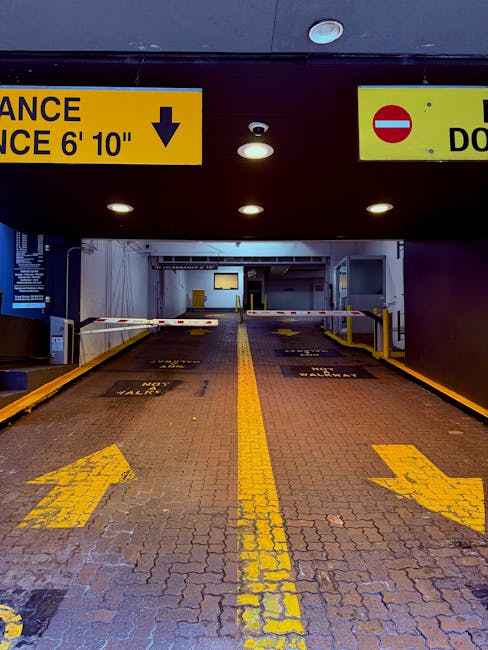
Colindale Avenue restricted access removals: what to do before moving day
If you are trying to work out Colindale Avenue restricted access removals what to do, you are probably dealing with a very specific kind of moving headache: tight streets, awkward entrances, limited stopping space, and the usual London mix of time pressure and mild chaos. Truth be told, that combination can turn a simple house move into a puzzle if you do not plan ahead.
The good news is that restricted access does not have to mean a difficult move. With the right checks, a sensible schedule, and a removals team that understands local access issues, you can still move safely and efficiently. This guide explains what restricted access usually means, how to prepare, where problems tend to crop up, and what to do next so you are not left guessing on the day.
It also covers practical decisions around vehicle size, parking, packing, and whether you need something like man and van help, a larger vehicle, or even short-term storage if access becomes too awkward to handle in one go. Let's make it simpler.
Why Colindale Avenue restricted access removals what to do matters
Restricted access is not just a minor inconvenience. On a street like Colindale Avenue, it can affect the whole shape of your move: where the van can stop, how far items must be carried, whether the crew needs extra time, and if certain pieces even fit through the route available. A sofa that seems straightforward in a wide driveway can become a three-person, awkward-angle job the moment a narrow stairwell or tight parking bay gets involved.
That is why planning matters so much. Access issues can lead to delays, extra labour, more lifting, and avoidable stress. They can also increase the chance of bumps, scrapes, or last-minute rescheduling. Nobody wants to stand at the front door at 8:15 on a wet Tuesday wondering where the vehicle is going to park. Been there, seen that, not fun.
For local moves, the actual street layout often matters as much as the distance between addresses. Shared entrances, estate rules, time restrictions, permit requirements, loading bays, and narrow turning points all have a say in how the day unfolds. If your route is awkward, the move should be designed around the access conditions, not the other way around.
Key takeaway: the more restricted the access, the more important it becomes to plan vehicle choice, timing, item handling, and parking in advance. That is the difference between a controlled move and a scramble.
How Colindale Avenue restricted access removals what to do works
In practice, a restricted access move starts long before anyone lifts a box. The process is usually about gathering the right details, matching them to the right removal method, and reducing surprises. A good removals team will want to know more than just your postcode. They will ask about stairs, lifts, parking, loading distance, heavy items, and whether any entrances have height limits or width restrictions.
For example, if the van cannot park close to the property, the team may need additional carrying time or a smaller vehicle that can get nearer to the door. If the flat is on an upper floor with no lift, the approach changes again. If a piano or large wardrobe is involved, that changes things further. The move becomes a logistics exercise, not just transport.
That is why you will often hear people talk about a site check, a call to confirm access, or a rough walk-through before the move. It sounds simple, but it prevents a lot of expensive guessing. On busy London roads, especially where stopping space is limited, a plan that looks fine on paper can fall apart quickly if nobody has checked the real access conditions.
In many cases, the solution is a blended one:
- use a vehicle sized for the street and the property access
- pre-pack and label items clearly so loading is quicker
- split the move into stages if needed
- book extra hands for awkward lifts or longer carry distances
- allow a little buffer time for parking and building entry
Sometimes, a move that looks like a one-vehicle job becomes a better fit for a smaller removal van. Other times, the right answer is a more substantial moving truck with a team used to tight access. There is no magic formula. It depends on the property and the day.
Key benefits and practical advantages
When restricted access is handled properly, the move feels calmer, faster, and much more controlled. That may sound obvious, but there is a real difference between "we'll just see on the day" and "we already know the access issues and have planned for them."
The main benefits are practical:
- Less stress: fewer unknowns means fewer last-minute decisions.
- Lower risk of damage: items are carried and loaded with more care when the route is planned.
- Better time management: the crew can work to a realistic schedule.
- Improved safety: less rushing, less awkward lifting, fewer trip hazards.
- More accurate pricing: the quote is less likely to change because the access was described properly from the start.
There is also a hidden benefit: better communication. Once access has been discussed clearly, everyone involved tends to think more clearly. You know what to expect. The removals team knows what to bring. The building rules, parking problems, and awkward corners are no longer sitting in the background waiting to cause trouble.
If you are moving out of a flat, a shared property, or a building with limited parking, it can be especially useful to pair access planning with services like flat removals or home moves, depending on the type of property. That way, the move is shaped around the conditions you actually have, not the ideal version in your head.
Who this is for and when it makes sense
This kind of planning is relevant for a lot more people than you might think. It is not just for someone with a huge house or a commercial relocation. In fact, restricted access often comes up in fairly ordinary situations.
You may need this approach if you are:
- moving from a flat with no lift
- living on a road where stopping is limited
- dealing with a narrow stairwell or communal entrance
- moving bulky furniture that cannot be easily turned or carried
- trying to move at a busy time of day
- sharing access with other residents or businesses
- trying to combine collection, transport, and disposal in one trip
It also makes sense if you are moving a student property, especially when the building access is a bit cramped and the timetable is tight. A student move can look simple until you realise there are three flights of stairs, a small lift, and half the street wants that same loading space.
For larger work-related relocations, restricted access should be factored into the whole project plan. If the move involves office equipment, records, furniture, or multiple delivery points, then a service such as office removals or commercial moves may be more appropriate than a basic van-only approach.
Step-by-step guidance
If you are wondering what to do first, use this sequence. It keeps things sensible and stops the move becoming a guessing game.
- Check the access at both addresses. Look at parking, stairs, entrances, lift size, door widths, and any points where a larger item might struggle.
- List the awkward items. Sofas, wardrobes, beds, appliances, desks, and anything fragile or heavy should be flagged early.
- Measure the problem items and the route. A quick tape measure job can save a lot of arguing on moving day.
- Speak to the removals provider early. Explain exactly what makes access restricted and where the bottlenecks are.
- Ask what vehicle and crew size suits the job. Sometimes a smaller van helps. Sometimes it doesn't. Depends on the route.
- Plan parking and timing. Aim for the least congested period you can manage, and make sure loading can happen without a long carry.
- Pack and label well. The quicker items are identified, the less time is wasted shuffling boxes around.
- Prepare for contingencies. If the van cannot get as close as hoped, you need a backup plan for longer carries or staged loading.
If your move includes items you do not want to bring straight into the new place, or if space is tight at the destination, short-term storage can give you breathing room. That is often the unglamorous but smart answer.
One small but useful detail: keep essential items separate. Things like keys, documents, medications, chargers, tea bags, and a basic toolkit should not end up buried in a pile of tape and cardboard. At 6pm, you will thank yourself.
Expert tips for better results
The best restricted access moves usually come down to small decisions made early. Nothing flashy. Just sensible preparation and clear communication.
Be specific about access, not vague
Instead of saying "it's a bit tight," describe the actual issue. Is there no parking outside? Is the entrance shared? Is the stairwell narrow? Is the lift too small for a mattress? Specific detail helps the removals team choose the right approach.
Use photos where possible
A few photos of the entrance, hallway, stairs, and parking area can clarify things very quickly. You do not need a professional setup. A phone photo is fine. In our experience, a quick picture often says more than a five-minute phone description anyway.
Separate heavy or awkward items early
If the team has to stop mid-flow to find the one heavy chest of drawers, the whole schedule gets thrown off. Group the difficult items in one area if you can.
Protect the route inside the property
Hallways, bannisters, door frames, and flooring can be vulnerable when access is tight. Simple protection, good lifting technique, and careful pacing matter more than people expect.
Think about the end of the move as well as the start
Restricted access is not just about getting out. Getting into the new address can be just as awkward. If the delivery point is a narrow street, a shared entrance, or an upper-floor flat, that should be part of the plan from day one.
If you need extra flexibility while planning, look at wider support options such as removals and removal services. Sometimes the right answer is not "more speed"; it is "better coordination."
Common mistakes to avoid
Most problems with restricted access are predictable. That is the annoying part. They are usually the result of someone assuming the access will be fine, or that "it should fit," or that there will definitely be parking outside. Definite parking, in London? Hmm.
- Underestimating carry distance: if the van cannot stop nearby, every item takes longer to move.
- Ignoring stair and lift limitations: a large sofa or mattress may need specialist handling or a different route.
- Leaving packing too late: a last-minute packing rush slows the whole day down.
- Not warning the team about bulky items: this often causes delays at the exact moment time is tight.
- Forgetting building rules: some properties have specific loading times or access procedures.
- Choosing the wrong vehicle size: too large can be awkward; too small can mean extra trips.
- Assuming the quote covers everything without checking: restricted access can affect labour time, so details matter.
Another common slip is treating all removals like the same job. A student move, a family house move, and a business relocation may all involve different access concerns. It is better to match the method to the property than to force the property to fit the method.
Tools, resources and recommendations
You do not need a complicated toolkit, but a few simple things help enormously.
- Tape measure: for doors, furniture dimensions, stair widths, and lift openings.
- Phone camera: use photos to show access points, parking, and any tight corners.
- Marker pens and labels: helpful for organising boxes by room and priority.
- Floor protection or coverings: useful where there is a risk of scuffs during long carries.
- Blanket wrapping and straps: these help keep furniture secure in transit.
- Basic notes sheet: jot down building access times, contact numbers, and any special instructions.
For many people, the smartest "resource" is simply a clear quote conversation. If the access is awkward, say so early and ask for a detailed assessment. You can review how pricing and estimates are handled through the site's pricing and quotes information, especially if you want to understand what affects the final move plan.
If your move has a sensitive side-valuable furniture, business items, or anything that needs added care-have a look at insurance and safety and the company's health and safety policy. That is not overkill. It is just sensible.
Law, compliance, standards, and best practice
For a local removal with restricted access, the main compliance concerns are usually practical rather than dramatic: safe lifting, safe driving, safe loading, and respecting property or parking rules. UK moving work should be carried out in a way that reduces the risk of injury and damage, and the business handling the move should have sensible procedures in place for that.
In everyday terms, that means a few things. Vehicles should be roadworthy and suitable for the load. Items should be secured properly. The team should use safe manual handling techniques. Access information should be collected honestly, not guessed. And if a building has rules about loading bays, shared entrances, or time windows, those should be respected.
Best practice also means being open about limitations. If a large vehicle cannot access the street safely, a smaller vehicle may be the better choice. If a move involves extra labour because of stairs or long carries, that should be acknowledged in advance. It is better to set the right expectations than to pretend everything is effortless.
For customers, the safest approach is straightforward: disclose access issues early, ask how they will be handled, and make sure the move is described clearly in writing where possible. No drama, just clarity. That alone prevents a lot of grief.
Options and comparison table
There is no single "best" move method for restricted access. The right choice depends on the route, the number of items, the building layout, and how much loading space is actually available.
| Option | Best for | Strengths | Trade-offs |
|---|---|---|---|
| Man and van | Small to medium moves with tricky access | Flexible, easier to park, often quicker for tight streets | May need multiple trips for larger loads |
| Removal van | Compact home moves or furniture transport | Good balance of space and manoeuvrability | Still limited by street access and item size |
| Moving truck | Larger moves where access can still support it | Can carry more in one go | Harder to position on restricted streets |
| Storage plus staged move | When access, timing, or space is awkward | Reduces pressure on moving day | Needs more planning and coordination |
| Specialist removals support | Bulky, fragile, or complex access jobs | Better handling of difficult items and routes | May take longer to organise |
As a rule of thumb, if parking is the biggest issue, flexibility matters more than vehicle size alone. If stair access is the biggest issue, the right crew and handling approach matter more. If you are moving a mix of household and office items, it may be worth comparing house removals with office relocation services so the process fits the real move, not just the address type.
Case study or real-world example
Here is a realistic example. A family moving from a Colindale Avenue flat had a standard issue list: boxes, a bed, dining chairs, a sofa, and a washing machine. On paper, it looked manageable. But the building had a tight entrance, no practical parking right outside, and a narrow stretch from the road to the front door. Nothing impossible, just fiddly.
Rather than forcing the move into a bigger vehicle and hoping for the best, they described the access clearly, shared a few photos, and flagged the heaviest items in advance. That meant the crew could plan a more suitable arrival window, bring the right equipment, and organise the loading sequence so the longest carry happened only once. The move still took care and a bit of patience, but it stayed controlled. No frantic reshuffling. No "wait, that won't fit."
The most useful part? They had already separated the essentials and used short-term storage for a few items they did not need immediately. That gave them breathing space at the new place, which, frankly, made the whole day feel less like a sprint.
Not every move needs a perfect plan. But a decent one? Absolutely.
Practical checklist
Use this checklist before booking or confirming your move:
- Check parking at both addresses
- Measure stairs, doorways, and lift access
- List all large, heavy, or fragile items
- Take photos of tight entrances or loading areas
- Tell the removals team about any access restrictions early
- Confirm the best vehicle size for the job
- Ask whether extra carrying time should be allowed
- Pack essential items separately
- Label boxes by room and priority
- Review safety and insurance information before moving day
- Keep access codes, keys, and contact details to hand
- Have a backup plan if parking turns out to be tighter than expected
If you are still comparing options, reviewing the company's removal companies page can also help you think through what level of support fits the move. Sometimes that extra context is what stops a stressful day from becoming a properly miserable one.
Conclusion
Restricted access does not have to derail a move on Colindale Avenue. What it does require is honesty, preparation, and a removal plan that reflects the real building and street conditions rather than an idealised version of them. Once you know the access limits, you can choose the right vehicle, allow the right amount of time, and avoid the classic moving-day surprises.
The simplest advice is also the best: measure first, explain clearly, and plan around the awkward bits. That is usually where the smooth move begins.
Get a free quote today and see how much you can save.
And if you are still standing at the start of the process with a tape measure in one hand and a box of loose bits in the other, that is fine too. Take it one step at a time. A good move is often just a series of small sensible decisions done well.
Frequently Asked Questions
What should I do first if Colindale Avenue has restricted access for my move?
Start by checking the actual access points: parking, stairs, doors, lift size, and the distance from the vehicle to the entrance. Then tell the removals team as early as possible so they can plan the right vehicle and loading method.
How do I know if a smaller van is better than a larger truck?
If parking is tight or the street is hard to manoeuvre in, a smaller vehicle often works better. If you have a larger load but easy access, a bigger vehicle may be more efficient. The deciding factor is usually the route, not just the volume of items.
Can restricted access make my removal more expensive?
It can, because longer carrying distances, extra labour, or more time on site may be needed. The best way to avoid surprises is to describe access clearly when asking for a quote.
What if there is no parking right outside the property?
That is common in London and not necessarily a deal-breaker. The key is to plan for a longer carry, confirm the best stop point, and make sure the team knows exactly where they can load and unload.
Do I need to measure everything before moving day?
You do not need to measure every mug, thankfully. But measuring doorways, stairwells, bulky furniture, and the lift can save a lot of time and prevent avoidable problems.
Is restricted access a problem for flat removals?
Often, yes. Flats are a common source of access issues because of stairs, lifts, communal entrances, and shared parking. That is why a well-planned flat removals approach can be very helpful.
What items cause the most trouble in restricted access moves?
Sofas, wardrobes, mattresses, washing machines, pianos, desks, and awkwardly shaped furniture usually cause the most friction. Anything heavy, fragile, or difficult to turn deserves extra attention.
Should I send photos of the access to the removals company?
Yes, if you can. Photos make it much easier to judge parking space, stair width, entrance height, and any tight corners. They reduce misunderstandings, which is always a win.
What if my access changes on the day?
Tell the team immediately. A good plan will have some flexibility built in, but it is much easier to adapt if everyone knows the issue early rather than after the van has already arrived.
Can I use storage if access is too difficult on moving day?
Yes. Short-term storage can be useful if the destination is not ready, if access is especially awkward, or if you want to split the move into stages. It is a practical option, not a last resort.
Are there special safety concerns with restricted access removals?
Yes. Tight corridors, stairs, long carries, and awkward turns increase the chance of slips or damage if people rush. That is why safe lifting, proper packing, and a sensible pace matter so much.
How far in advance should I mention access restrictions?
As early as possible. Ideally, bring it up when you first ask for a quote. The more time the removals team has to assess the route, the smoother the job is likely to be.
What is the best way to make a difficult move less stressful?
Keep the plan simple: measure, photograph, label, and communicate. It sounds almost too basic, but that is usually what makes a restricted access move feel manageable rather than chaotic.